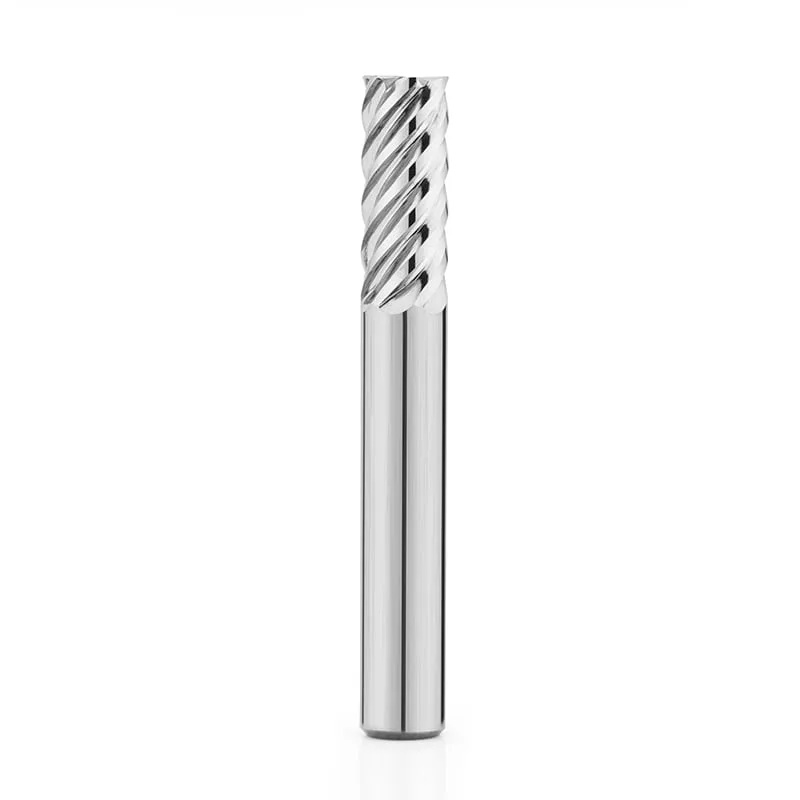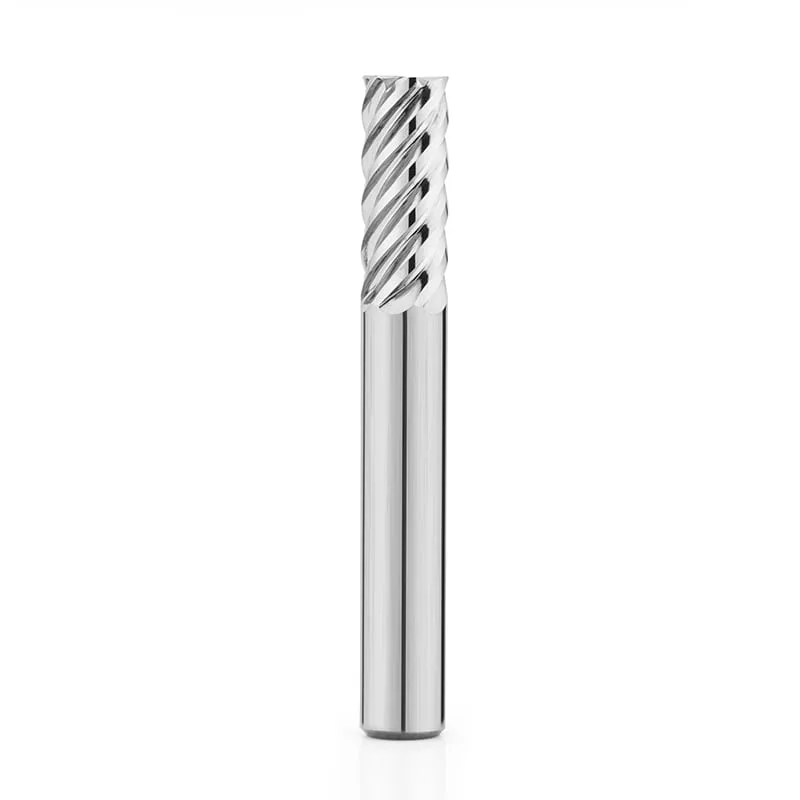
Cermet End Mills for Composites
Cermet cutter selection for fiber-reinforced composite features.
View tool range →Composite tools · Cutting material and laminate review
Explore solid ceramic and cermet cutter categories for composite trimming, profiling and edge finishing. Review the cutter material alongside the laminate and machining process.
Ceramic and cermet describe different cutting materials, not interchangeable names for a coating. Start with the workpiece composition and the proposed operation, then review tool construction, geometry and acceptance requirements. A recommendation for one cutting material or workpiece does not automatically transfer to another.
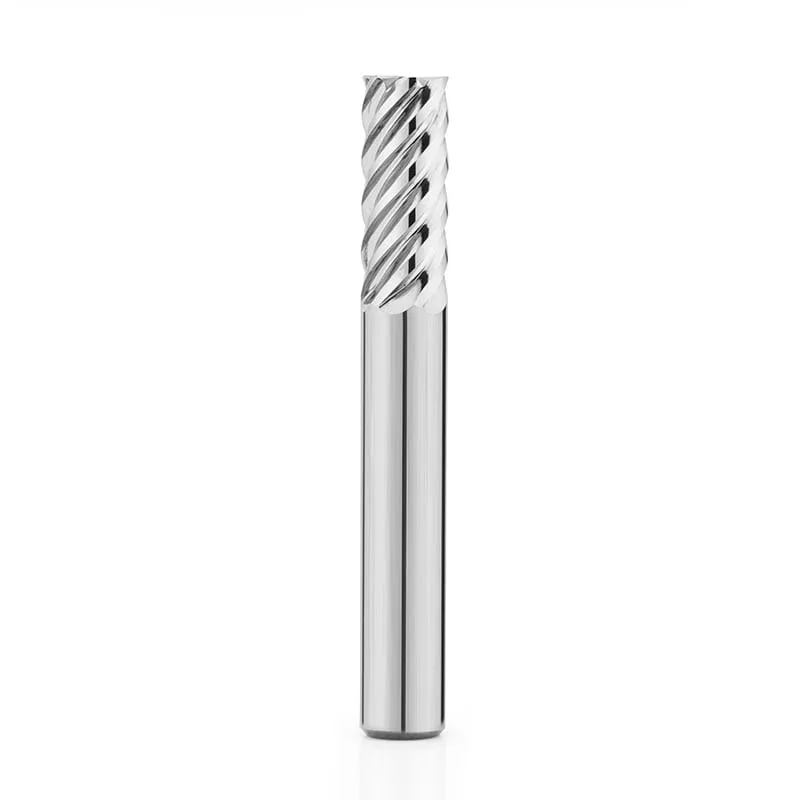
Explore the family
Compare the feature each tool solves, then open the relevant range for application and ordering details.
Cermet cutter selection for fiber-reinforced composite features.
View tool range →Solid ceramic cutters for selected abrasive composite operations.
View tool range →Application guide
Use the part feature and its acceptance requirements to narrow the tool choice.
Identify whether the request concerns a ceramic or cermet tool and supply the actual workpiece specification. Keep coating terminology separate from the tool construction.
Describe the trimming, slotting or profile operation with a drawing. Include the holder, support and any interruption along the path.
Set dimensional and surface acceptance criteria before evaluating a new configuration. Keep the setup and measured result with the tool specification.
Application & selection
Use the drawing and actual machining conditions to define a configuration for this tool family.
A solid ceramic cutting tool is not the same construction as a coated carbide tool. Describe the intended workpiece and operation before comparing options. Tool material should be selected from an application review rather than inferred from a product photograph.
Treat cermet as a separate cutting-material option with its own application requirements. Provide material condition, engagement, interruptions and machine information. Do not assume a recommendation for ceramic transfers directly to cermet.
If the part is a laminate or composite, identify reinforcement, matrix and layer structure. For metallic parts, provide the exact grade and condition. These distinct workpieces require their own evaluation instead of a shared generic performance claim.
Application & selection
Use the drawing and actual machining conditions to define a configuration for this tool family.
Describe trimming, slotting, profiling or another operation explicitly. Include tool access, support, holder and the intended removal method for chips or debris. Any restriction on the process should be stated before the tool geometry is reviewed.
Define the dimensional and surface result. For layered parts, identify allowable edge damage and which faces are inspected. For other components, mark the functional surfaces and the agreed measurement method.
Keep trial settings, photographs and measurements with the selected cutting material and geometry. A successful trial in one workpiece does not establish suitability for another. Use the recorded application when requesting a repeat configuration.
Selection & configuration
Ceramic and cermet are distinct cutting materials. Tool grade suitability must be checked against the fiber, resin and laminate structure; do not treat either as interchangeable with ceramic-coated carbide.
| Decision | What to specify | Why it matters |
|---|---|---|
| Tool construction | Ceramic or cermet; current tool reference if available | These are different cutting materials and need separate application review. |
| Workpiece | Exact grade or composite composition and supplied condition | A broad category name does not establish material suitability. |
| Operation | Feature, entry method, interruption and support | The cutting conditions must be reviewed with the proposed geometry. |
Swipe the table to compare all columns →
Include these details so the tool dimensions and application can be reviewed together.
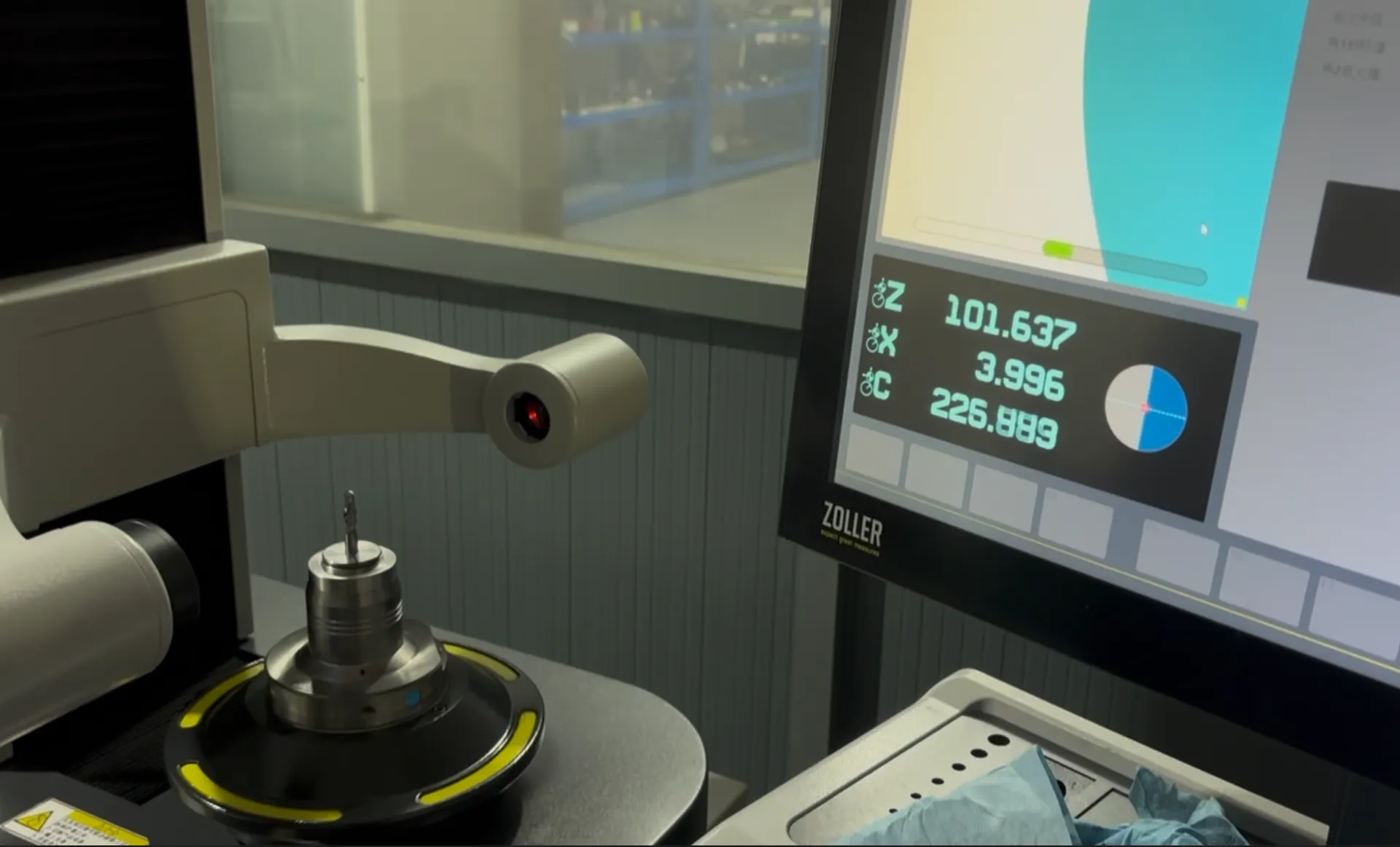
From drawing to inspection
A tool specification should describe both the cutting geometry and the acceptance requirements. Mark critical dimensions on the drawing and discuss how they will be checked before ordering.
Selection questions
Practical answers for ceramic & cermet end mills.
No. Confirm the actual grade and tool construction for the application. A comparison needs the same laminate, operation and acceptance criteria rather than only the same nominal diameter.
Fiber and resin system; laminate thickness; trimming or slotting operation; delamination limit; dust extraction setup. Add the quantity and delivery destination. A drawing or marked part section helps identify critical dimensions and clearance constraints.
The quotation and agreed drawing define the tool configuration, inspection scope, quantity and delivery schedule. Reference images show the tool family; use the confirmed specification for ordering.
Start with your application
Send your drawing or machining requirement. Your selected tool category and a checklist will be carried into the inquiry form.