Hole finishing · Allowance and tolerance
Carbide Reamers
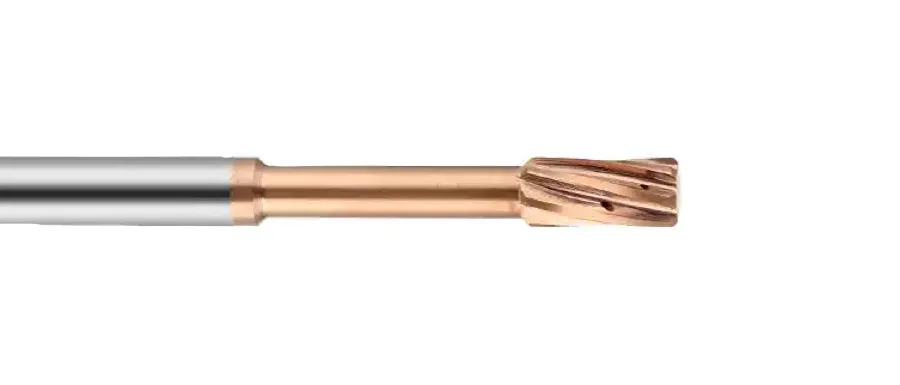
Finish pre-machined holes with straight-flute, spiral-flute or coolant-fed reamers from the existing KY TOOLS range.
Reaming finishes a prepared hole. Select the tool from the final size requirement, the existing hole condition and the stock left for finishing. Compare straight-flute, spiral-flute and coolant-fed options against hole depth, exit condition and chip evacuation.
Explore the family
Carbide Reamers range
Compare the feature each tool solves, then open the relevant range for application and ordering details.
Application guide
Where carbide reamers fit.
Use the part feature and its acceptance requirements to narrow the tool choice.
Size finishing
Define the tolerance and the measurement method used for acceptance.
Through holes
Consider the exit condition and direction in which chips should leave the hole.
Blind holes
Check bottom clearance and the amount of usable cylindrical depth required.
Application & selection
Treat the prepared hole as part of the specification.
Use the drawing and actual machining conditions to define a configuration for this tool family.
Final hole requirement
Provide the nominal diameter, tolerance and required usable depth. Include the surface requirement and inspection method. A tool diameter by itself does not describe the finished-hole acceptance criteria.
Pre-hole condition
Specify the size and condition left by drilling or another operation, including variation across the batch. State the intended allowance for reaming. Do not assume a reamer will correct every position, alignment or form problem in an unsuitable pre-hole.
Bottom and exit clearance
Identify blind and through holes. For blind features, show the bottom shape and clearance below the required cylindrical depth. For through holes, describe the exit condition and any interrupted regions.
Application & selection
Review flute form and the production setup together.
Use the drawing and actual machining conditions to define a configuration for this tool family.
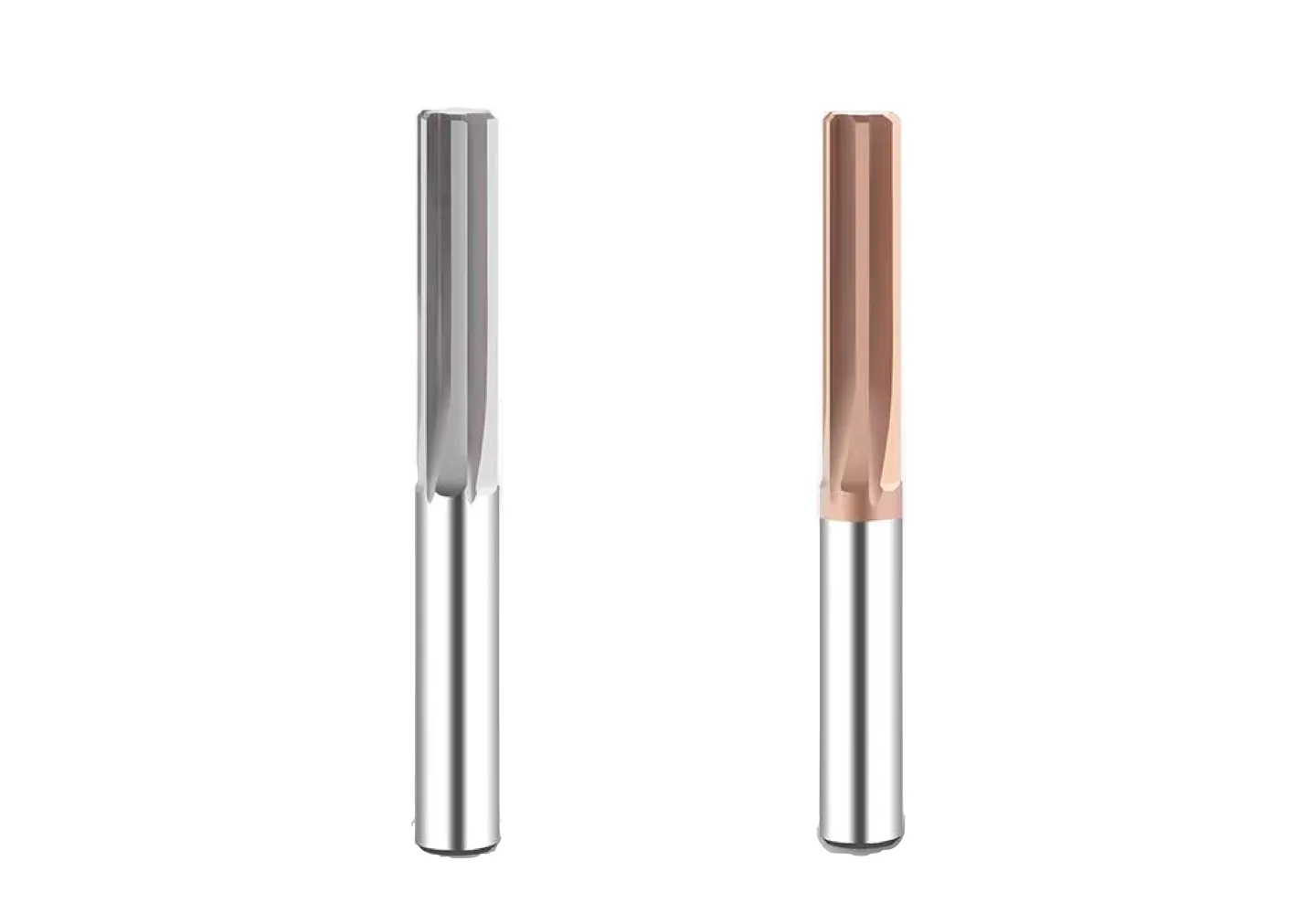
Straight-flute options
Compare the hole geometry, material and chip-removal arrangement before selecting the flute form. Include interruptions and pre-hole variation. The name of the flute pattern alone does not define a complete application recommendation.
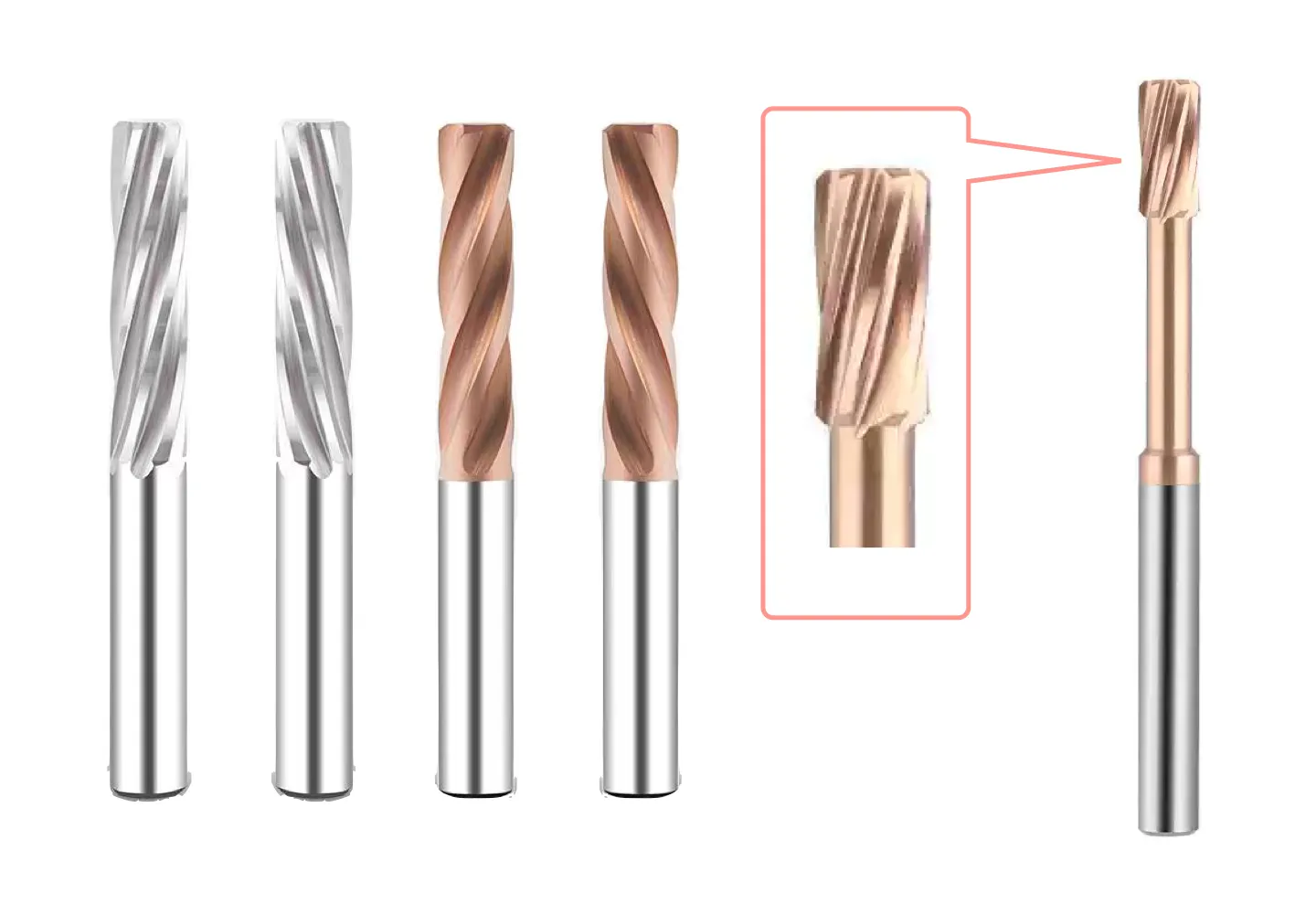
Spiral-flute options
Include the intended chip movement and whether the hole is blind or through. Discuss the specific tool geometry with the full hole drawing. Avoid assuming every spiral configuration has the same chip direction or use.
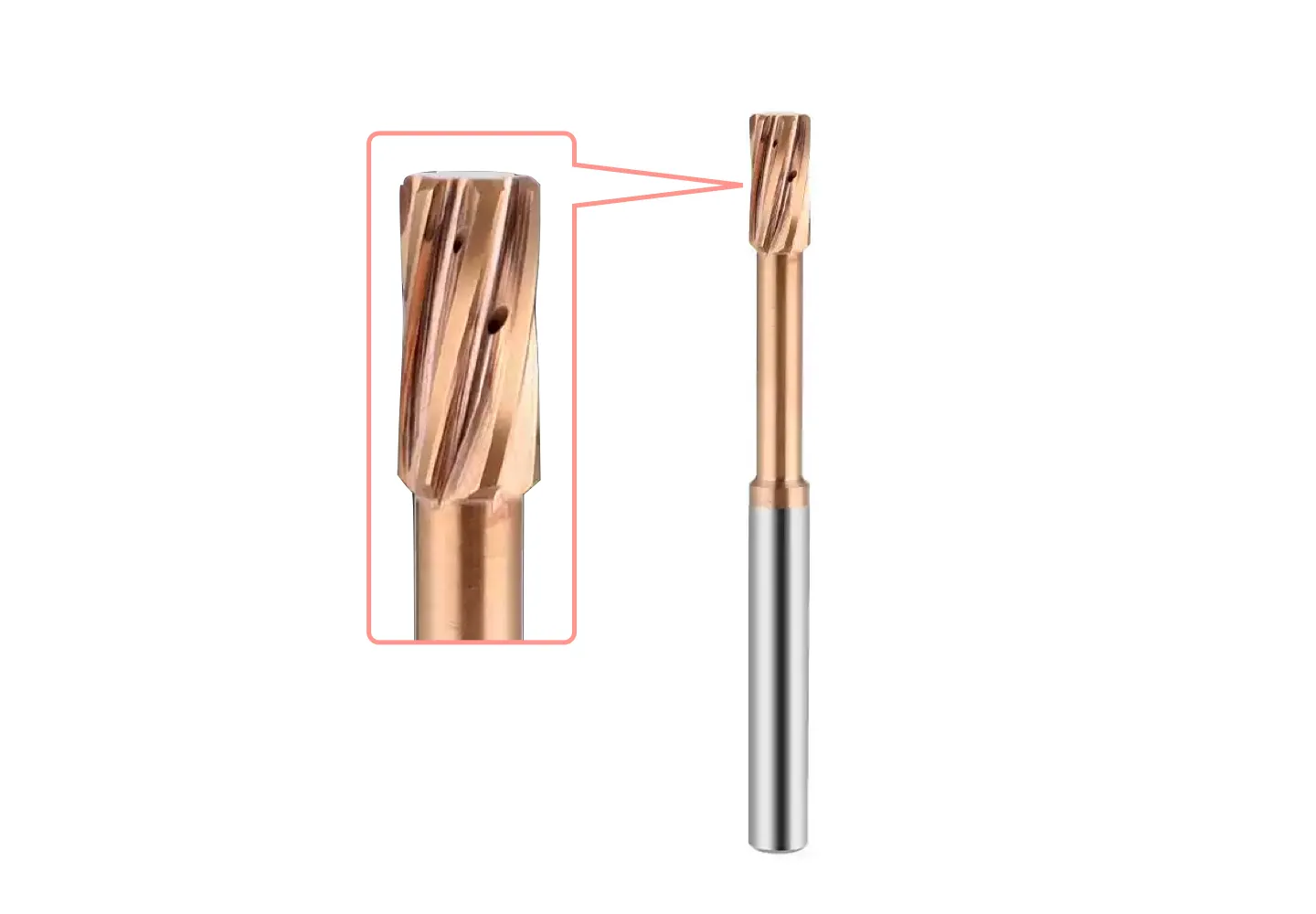
Coolant-fed options
State the available coolant delivery through the machine and holder. Show the hole depth and any restriction at the bottom or exit. The tool supply path should be checked as part of the assembly.
Trial and measurement
Measure representative holes using the agreed method and record the pre-hole sizes alongside the results. Keep holder alignment, tool setup and cutting conditions with the inspection record. This makes later size or finish feedback actionable.
Selection & configuration
Define the details that change the tool.
Choose the reamer from hole tolerance, stock allowance, material and through-hole or blind-hole conditions. Reaming follows a prepared hole; it does not replace drilling.
| Decision | What to specify | Why it matters |
|---|---|---|
| Prepared hole | Actual diameter, condition and consistency | The starting hole determines the finishing allowance. |
| Final tolerance | Size band, geometry and surface requirement | Nominal diameter alone does not describe acceptance. |
| Chip path | Blind or through hole and coolant access | The chip evacuation route influences geometry review. |
Swipe the table to compare all columns →
Build your configuration brief
Include these details so the tool dimensions and application can be reviewed together.
- Hole diameter and tolerance
- Surface finish
- Material
- Hole depth
- Allowance
- Coolant
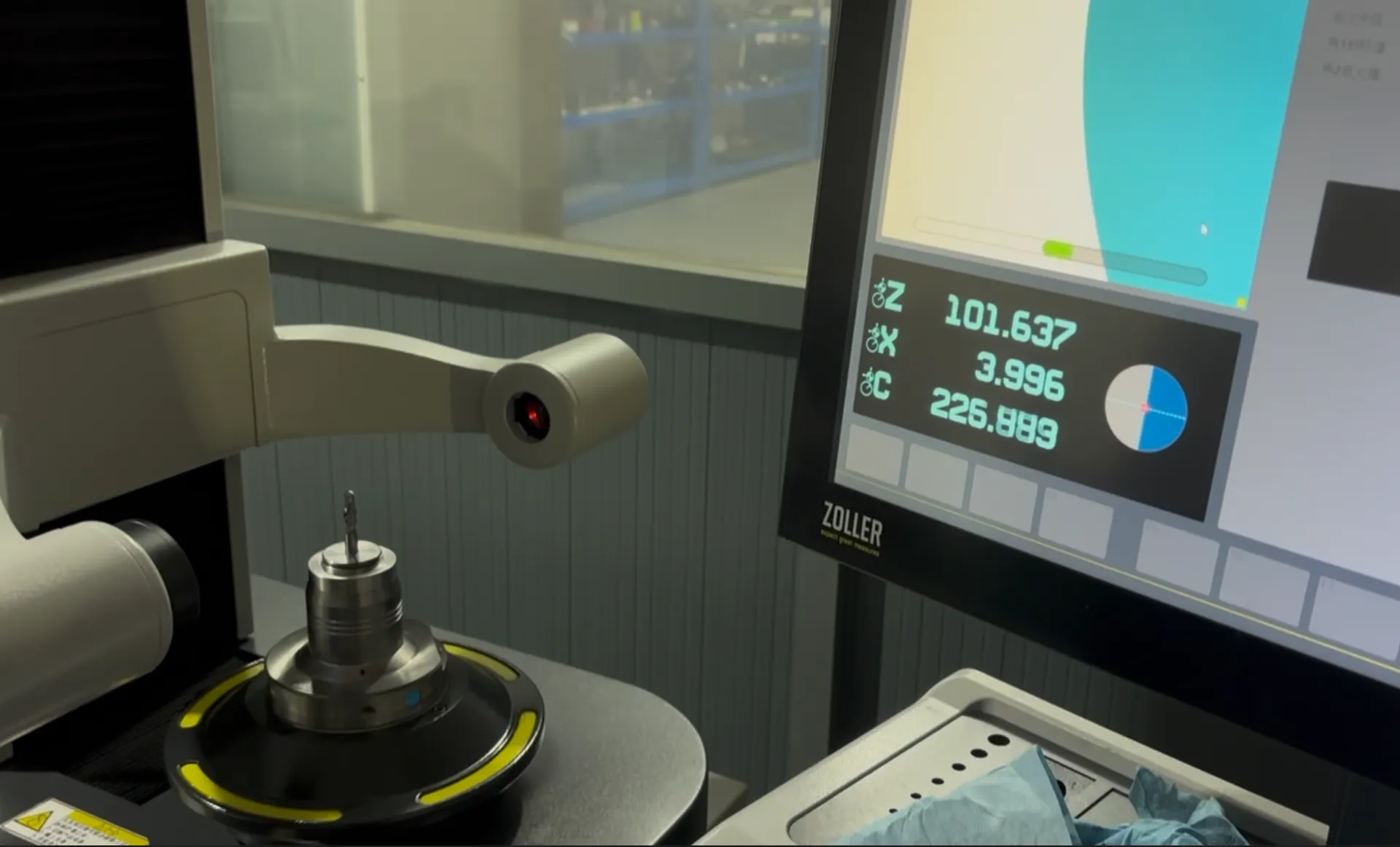
From drawing to inspection
Agree on what needs to be measured.
A tool specification should describe both the cutting geometry and the acceptance requirements. Mark critical dimensions on the drawing and discuss how they will be checked before ordering.
- Geometry reviewConfirm the profile, working length, access and critical dimensions.
- Inspection requirementsSpecify dimensional or profile checks and any reporting requirements.
- Application verificationAgree on sample evaluation where a new material, geometry or process needs a trial.
Selection questions
Before you order.
Practical answers for carbide reamers.
Can a reamer replace the drilling operation?
No. Reaming is a finishing step applied to a prepared hole. Supply both the pre-ream diameter and the final requirement so the allowance and tool can be reviewed.
What should I include when requesting carbide reamers?
Hole diameter and tolerance; surface finish; material; hole depth; allowance; coolant. Add the quantity and delivery destination. A drawing or marked part section helps identify critical dimensions and clearance constraints.
How are dimensions and delivery confirmed?
The quotation and agreed drawing define the tool configuration, inspection scope, quantity and delivery schedule. Reference images show the tool family; use the confirmed specification for ordering.
Start with your application
Request carbide reamers.
Send your drawing or machining requirement. Your selected tool category and a checklist will be carried into the inquiry form.