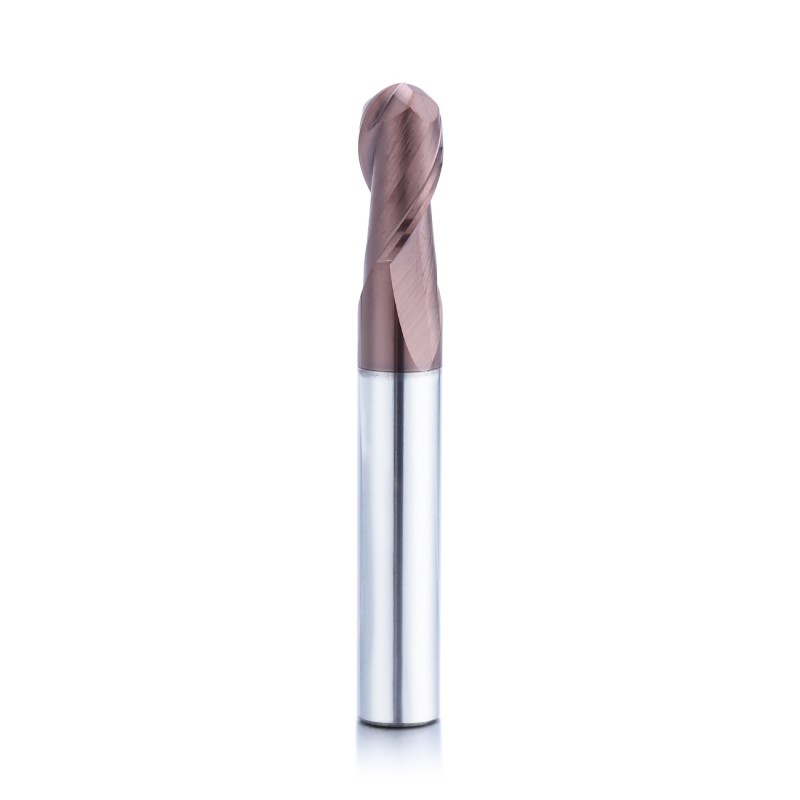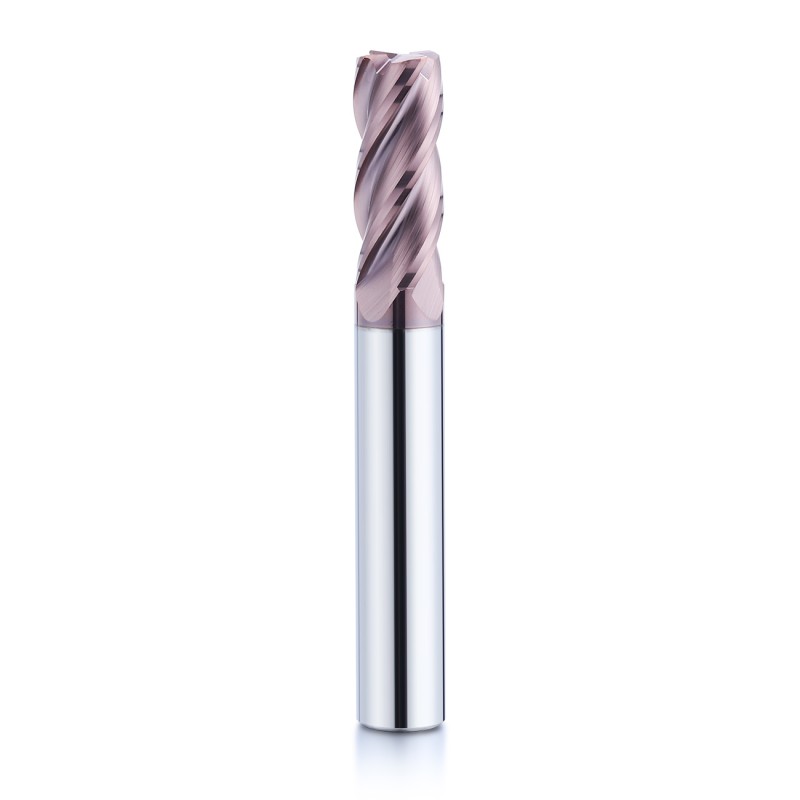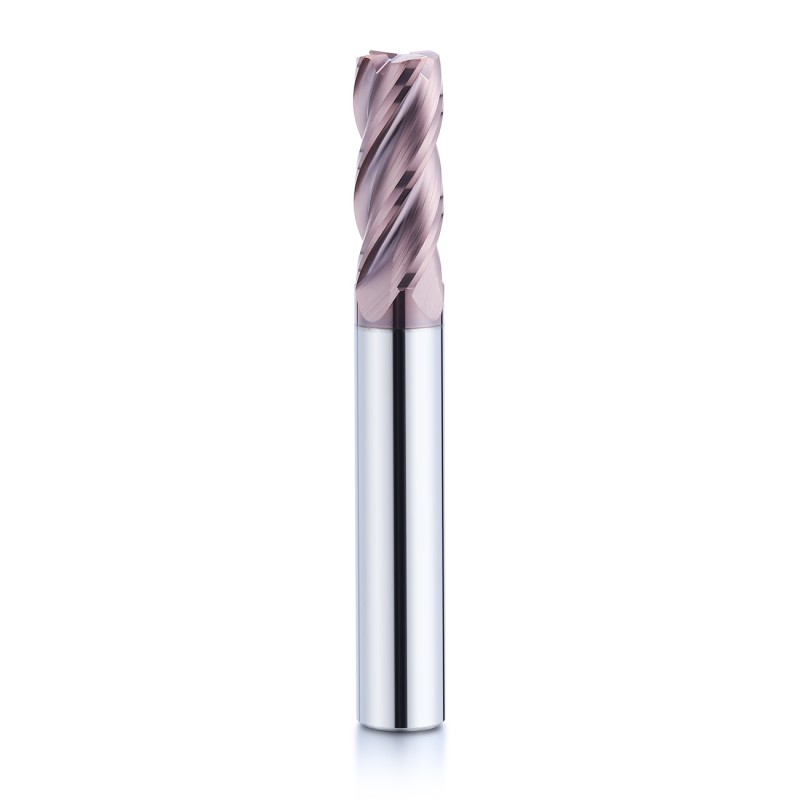
Carbide Square End Mill For Hardened Steel
For straight walls and flat features after heat treatment. Include measured hardness, interruption and finishing stock in the request.
Request a quote →Heat-treated parts · Controlled finishing
Controlled semifinishing and finishing of heat-treated components.
Hard milling starts with the condition of the part after heat treatment. A cutter for a broad steel category is not automatically suitable for every hardened grade. Define the measured hardness, finishing allowance and critical surface first, then choose the profile and reach around the actual feature.
Choose the cutting profile
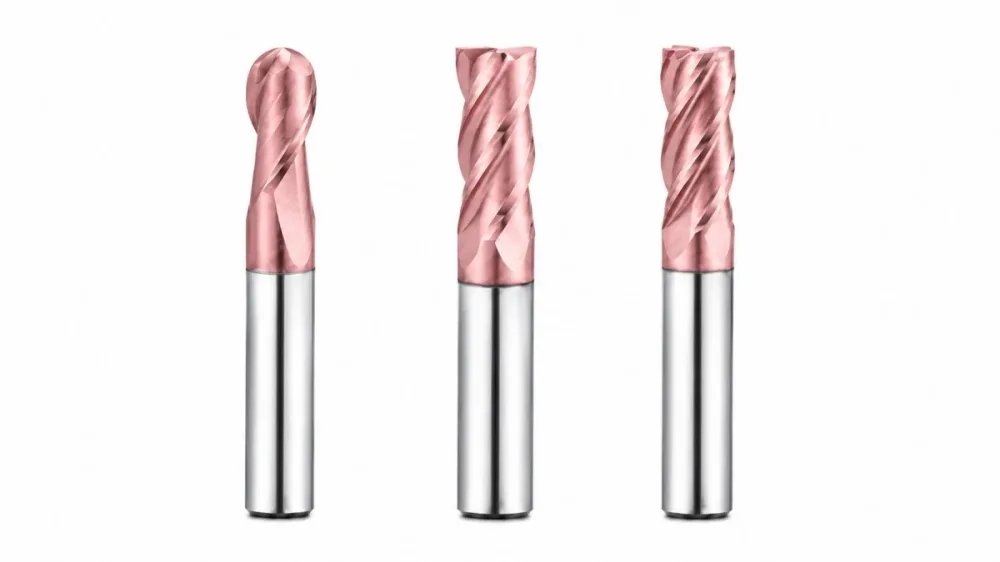
Choose a profile for the feature you need to machine, then request dimensions and application support for this hardened steel series.
For straight walls and flat features after heat treatment. Include measured hardness, interruption and finishing stock in the request.
Request a quote →For contoured hardened surfaces. Identify the smallest cavity radius, contact regions and surface acceptance requirement.
Request a quote →For flat surfaces with a defined corner transition. Specify the part fillet and the allowance remaining at internal corners.
Request a quote →Application guide
Use the part feature and its acceptance requirements to narrow the tool choice.
A square profile follows straight boundaries. Check the floor-to-wall transition before choosing a sharp corner or a small corner radius.
A ball nose profile follows changing surface angles. Review the contact position and tool access at the deepest area of the cavity.
A corner radius profile connects flat floors and curved transitions. Match the cutter radius to the finished fillet rather than selecting it only for edge strength.
Application & selection
The cutting operation must be defined for the current workpiece condition, including any local variation.
Include the steel designation, heat-treatment state and measured hardness with its scale. Identify repaired areas or surfaces with a different treatment. A broad description such as tool steel does not communicate the condition that the cutting edge will encounter.
Provide the stock model or the dimensions left by roughing. Pay particular attention to internal radii and changes in wall angle. A cutter following a finishing path can still encounter heavy local stock if a previous tool could not reach the feature.
Record the holder, tool overhang and clamping arrangement. Deep or interrupted features need an application review that includes these constraints. Choosing a different cutting material alone does not resolve clearance or setup problems.
Application & selection
Assign a purpose to each operation and keep the acceptance requirement visible throughout the process.
Locate corners, floors and transitions that retain stock from earlier machining. Separate accessible surfaces from regions needing a smaller diameter or a different reach. This gives the tool list a clear relationship to the actual cavity.
Describe the stock to be removed by rest machining before choosing the final finishing edge. Include interruptions and entry or exit conditions. A cleanup operation and a low-stock finishing pass may require different tool configurations.
Record profile measurements and the condition of critical surfaces, not only the elapsed cutting time. Include tool wear photographs and the complete setup when requesting changes. Keep the same acceptance criteria when comparing subsequent trials.
Application & selection
Tool shape, access and inspection belong in one drawing review.
Use the wall and floor requirements to compare square and corner radius profiles. Mark any permitted fillet. The finished part geometry determines whether an edge radius can be accepted.
Describe both the smallest concave radius and the surrounding clearance for a ball nose tool. Include the intended finishing path and the areas where appearance or profile accuracy is critical.
Separate cutting length from neck clearance. Provide a section view showing the opening and the deepest feature, together with the holder envelope. Overall length alone is not sufficient for a collision review.
When comparing carbide with CBN, supply the same hardness, stock and interruption information for both. Request a recommendation for the defined operation rather than assuming one cutting material is preferable for every hardened part.
Selection & configuration
Minimize overhang and check holder runout before choosing a finishing cutter. Consistent stock and smooth tool engagement reduce edge shock; compare carbide with CBN for the application.
| Decision | What to specify | Why it matters |
|---|---|---|
| Workpiece condition | Steel grade, heat treatment and measured hardness | The grade name alone does not establish the cutting condition. |
| Finishing allowance | Stock remaining after roughing, including local variation | Sudden changes in engagement can overload an otherwise suitable finishing edge. |
| Surface acceptance | Profile tolerance, finish requirement and inspection method | These determine which surfaces need a separate finishing operation. |
Swipe the table to compare all columns →
Include these details so the tool dimensions and application can be reviewed together.
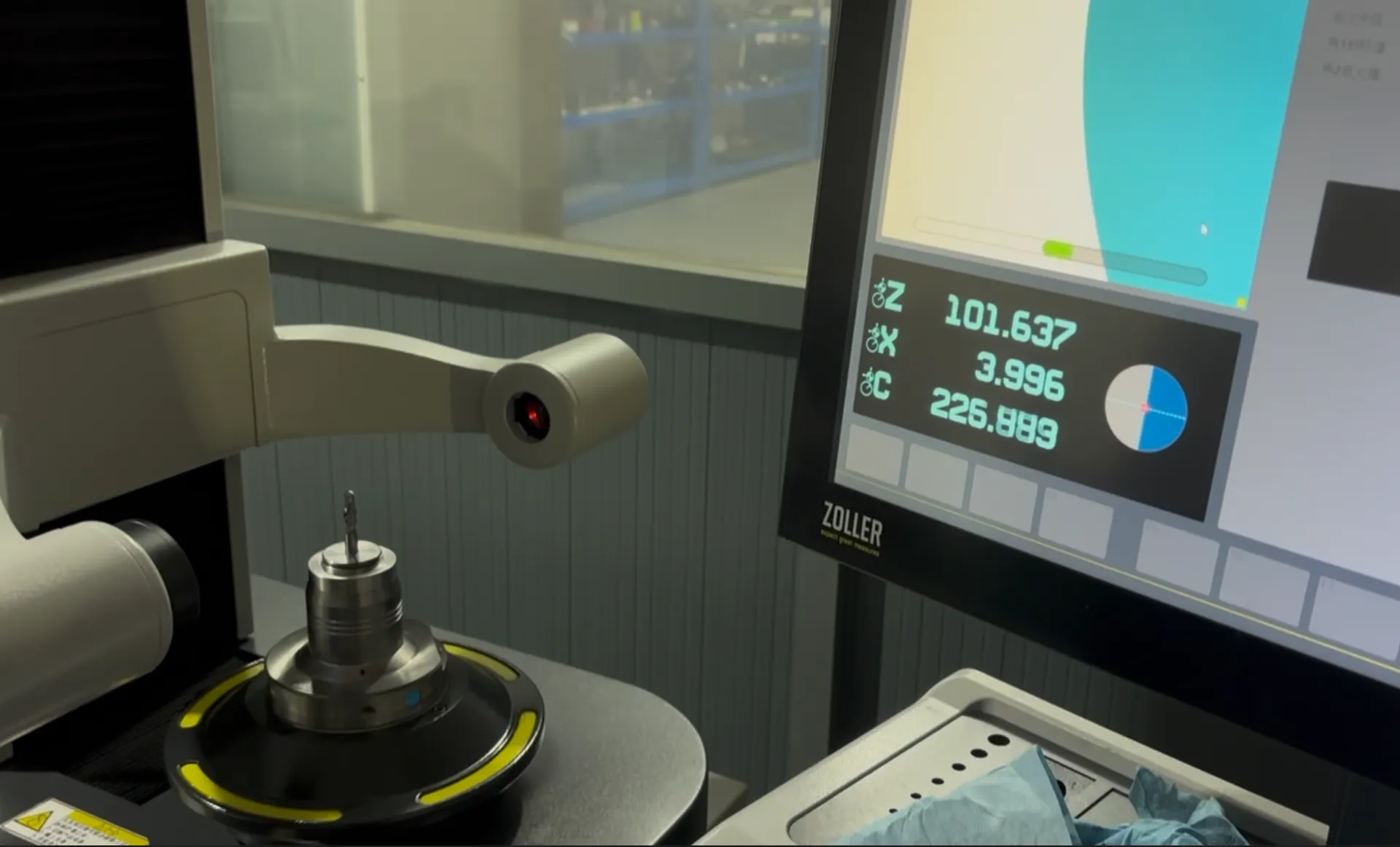
From drawing to inspection
A tool specification should describe both the cutting geometry and the acceptance requirements. Mark critical dimensions on the drawing and discuss how they will be checked before ordering.
Selection questions
Practical answers for end mills for hardened steel.
Compare them for the actual finishing operation, not hardness alone. Include interruption, remaining stock, required profile and machine rigidity in the review. A stable, low-stock finishing pass and a variable-stock cavity operation may need different solutions.
Actual hardness; interrupted features; stock allowance; surface finish; machine rigidity. Add the quantity and delivery destination. A drawing or marked part section helps identify critical dimensions and clearance constraints.
The quotation and agreed drawing define the tool configuration, inspection scope, quantity and delivery schedule. Reference images show the tool family; use the confirmed specification for ordering.
Start with your application
Send your drawing or machining requirement. Your selected tool category and a checklist will be carried into the inquiry form.