Pocket roughing
Review entry and chip evacuation from enclosed regions.
Stock removal · Engagement and finishing allowance
Bulk material removal before semifinishing or finishing.
A roughing tool is selected around the volume and location of stock to remove before the finished surfaces are produced. Describe the available machine power, holder and chip space. Keep the final surface requirement separate from the roughing objective.
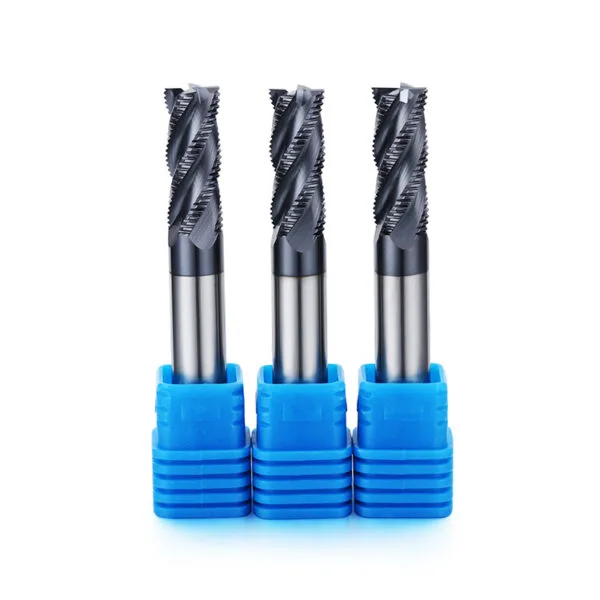
Application guide
Use the part feature and its acceptance requirements to narrow the tool choice.
Review entry and chip evacuation from enclosed regions.
Specify axial contact and radial engagement together.
Leave a defined allowance for the finishing tool.
Selection & configuration
Plan finishing allowance alongside roughing geometry. Machine power, holder grip and chip space constrain engagement and material removal.
| Decision | What to specify | Why it matters |
|---|---|---|
| Stock | Starting form and material removal areas | The initial part defines engagement variation. |
| Machine and holder | Available capability and grip | The complete setup constrains the process. |
| Finishing allowance | Stock deliberately left on each surface | Roughing must prepare a consistent next operation. |
Swipe the table to compare all columns →
Include these details so the tool dimensions and application can be reviewed together.
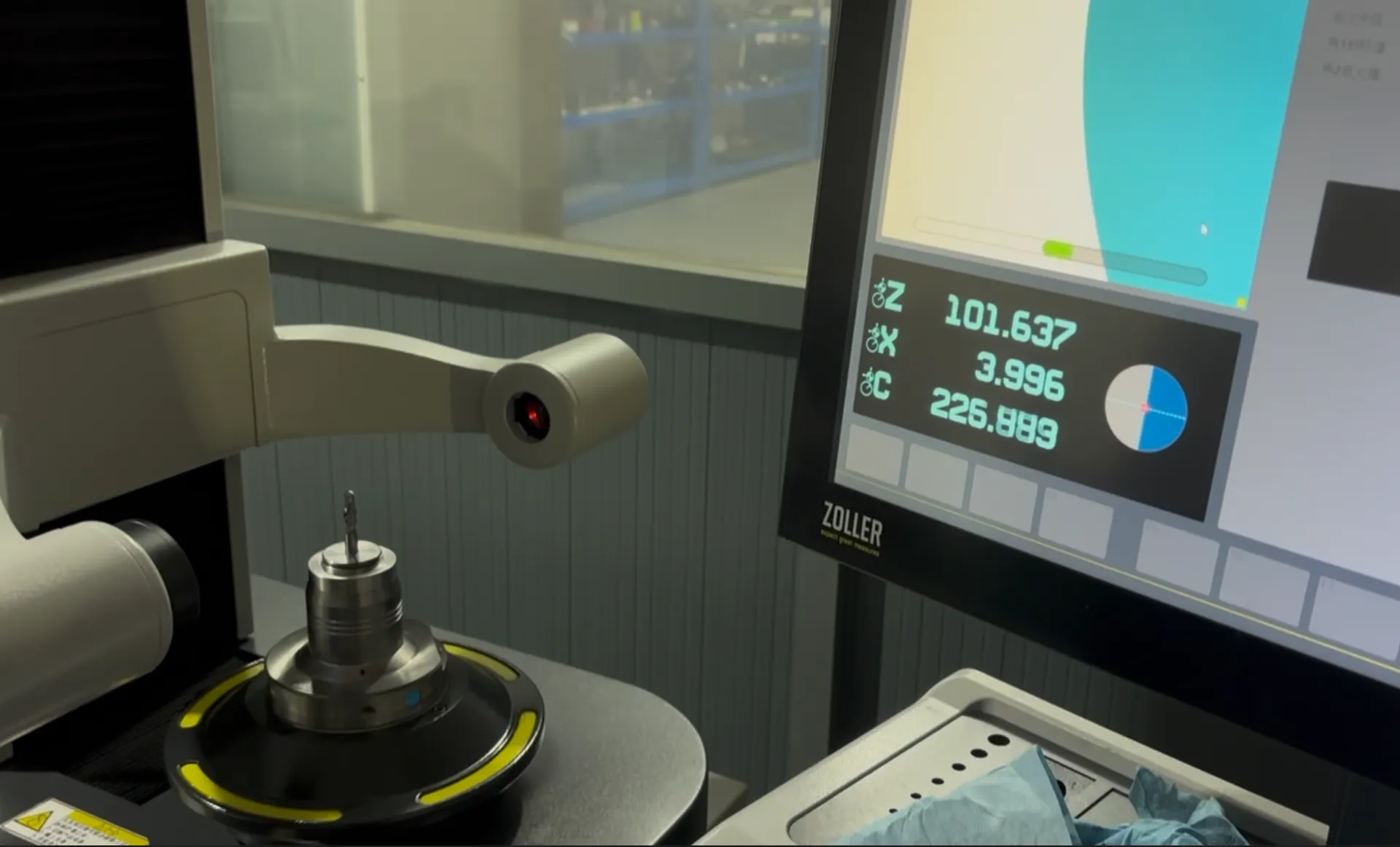
From drawing to inspection
A tool specification should describe both the cutting geometry and the acceptance requirements. Mark critical dimensions on the drawing and discuss how they will be checked before ordering.
Selection questions
Practical answers for carbide roughing end mills.
It depends on the tool geometry and acceptance requirement. Plan a separate finishing pass when the required surface or size cannot be established by the roughing operation.
Part drawing; workpiece material; cutting access; critical tolerance; current process; quantity. Add the quantity and delivery destination. A drawing or marked part section helps identify critical dimensions and clearance constraints.
The quotation and agreed drawing define the tool configuration, inspection scope, quantity and delivery schedule. Reference images show the tool family; use the confirmed specification for ordering.
Start with your application
Send your drawing or machining requirement. Your selected tool category and a checklist will be carried into the inquiry form.