Open profiles
Identify the finished outline and any interrupted boundaries.
Single-edge cutting · Non-ferrous features
Single-edge cutting for non-ferrous and non-metallic profiles.
Review a single-edge PCD cutter against the required profile, chip space and machine conditions. A single cutting edge is a geometry choice, not a universal finish guarantee. Include the holder and the actual workpiece composition in the application review.
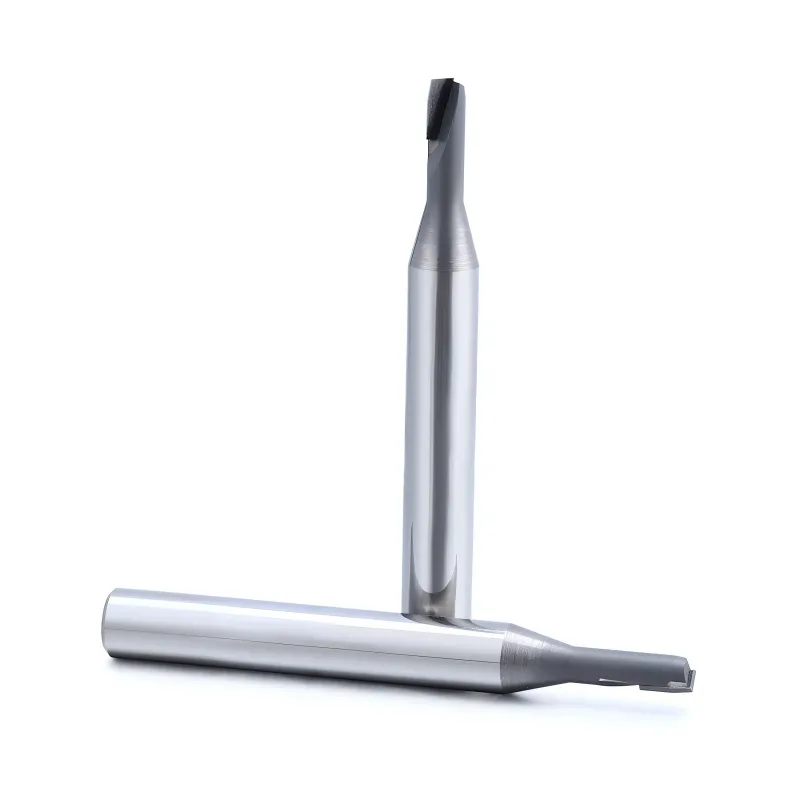
Application guide
Use the part feature and its acceptance requirements to narrow the tool choice.
Identify the finished outline and any interrupted boundaries.
Specify the material formulation and edge-quality requirement.
Describe how the finished face will be inspected.
Selection & configuration
Consider chip volume, machine speed and finish requirements when evaluating a single edge. Check balance and runout with the intended holder.
| Decision | What to specify | Why it matters |
|---|---|---|
| Edge profile | Straight, shaped or stepped cutting form | The edge must reproduce the intended feature. |
| Machine setup | Holder, spindle range and runout | The complete assembly affects the result. |
| Chip volume | Engagement and removal method | Chip space must suit the actual operation. |
Swipe the table to compare all columns →
Include these details so the tool dimensions and application can be reviewed together.
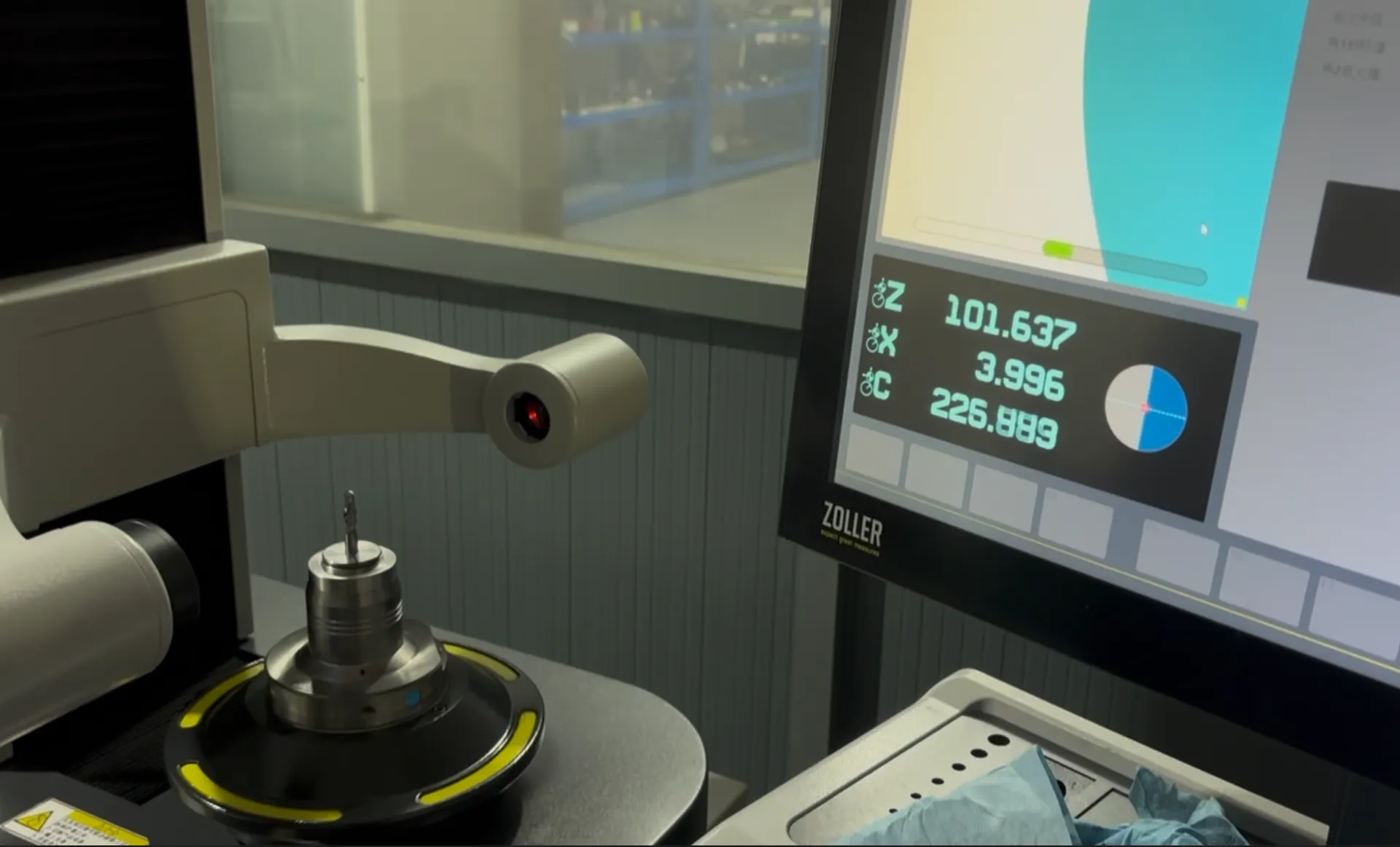
From drawing to inspection
A tool specification should describe both the cutting geometry and the acceptance requirements. Mark critical dimensions on the drawing and discuss how they will be checked before ordering.
Selection questions
Practical answers for single-edge pcd end mills.
No. Surface outcome also depends on edge condition, runout, material and toolpath. Define the finish requirement and the current process before comparing configurations.
Workpiece composition; feature drawing; profile tolerance; cutting access; production quantity. Add the quantity and delivery destination. A drawing or marked part section helps identify critical dimensions and clearance constraints.
The quotation and agreed drawing define the tool configuration, inspection scope, quantity and delivery schedule. Reference images show the tool family; use the confirmed specification for ordering.
Start with your application
Send your drawing or machining requirement. Your selected tool category and a checklist will be carried into the inquiry form.