External edges
Specify the width and face from which it is measured.
Edge finishing · Angle and width control
Edge breaking, deburring and angled features.
A chamfer mill can be reviewed for dimensioned edges, hole entrances or deburring. Define which result is required. A controlled chamfer width needs a clear drawing convention, while a light edge break needs a stated acceptance limit.
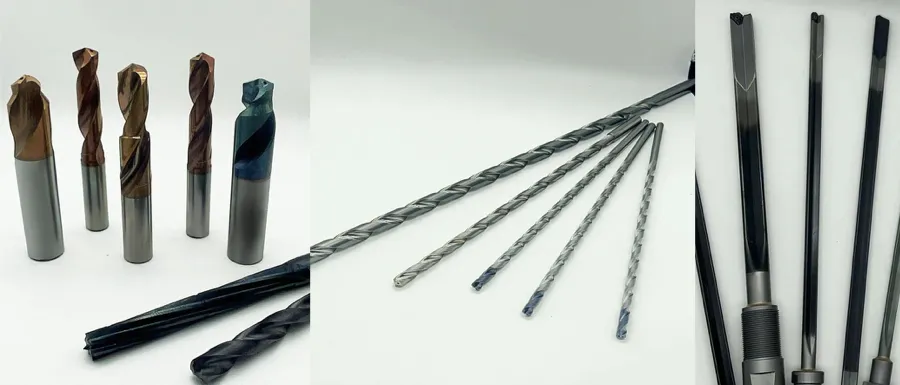
Application guide
Use the part feature and its acceptance requirements to narrow the tool choice.
Specify the width and face from which it is measured.
Check the small diameter and surrounding access.
Define included angle and the required depth of the V feature.
Selection & configuration
Define the included angle, chamfer width and tip diameter. Check whether the feature needs a pointed or flat-tip tool and how the angle is specified.
| Decision | What to specify | Why it matters |
|---|---|---|
| Angle convention | Included angle or face angle | This prevents a mismatched tool proposal. |
| Tip diameter | Pointed or flat-tip access requirement | The end form changes the smallest reachable feature. |
| Edge result | Width, finish and burr allowance | Deburring should not erase a functional edge. |
Swipe the table to compare all columns →
Include these details so the tool dimensions and application can be reviewed together.
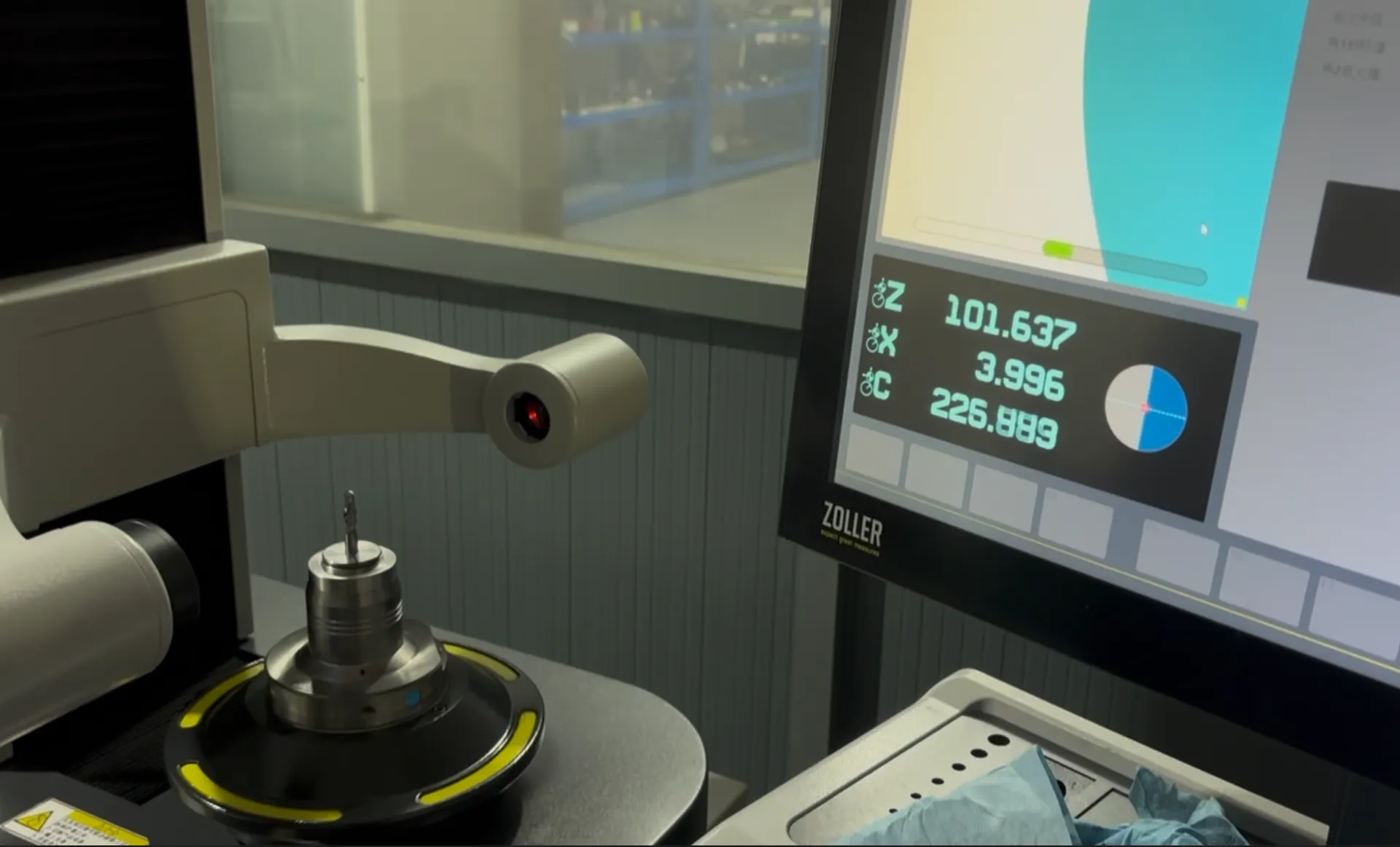
From drawing to inspection
A tool specification should describe both the cutting geometry and the acceptance requirements. Mark critical dimensions on the drawing and discuss how they will be checked before ordering.
Selection questions
Practical answers for carbide chamfer mills.
Deburring removes an unwanted edge condition within an agreed limit. A dimensioned chamfer has a specified angle and size that must be produced and inspected.
Part drawing; workpiece material; cutting access; critical tolerance; current process; quantity. Add the quantity and delivery destination. A drawing or marked part section helps identify critical dimensions and clearance constraints.
The quotation and agreed drawing define the tool configuration, inspection scope, quantity and delivery schedule. Reference images show the tool family; use the confirmed specification for ordering.
Start with your application
Send your drawing or machining requirement. Your selected tool category and a checklist will be carried into the inquiry form.